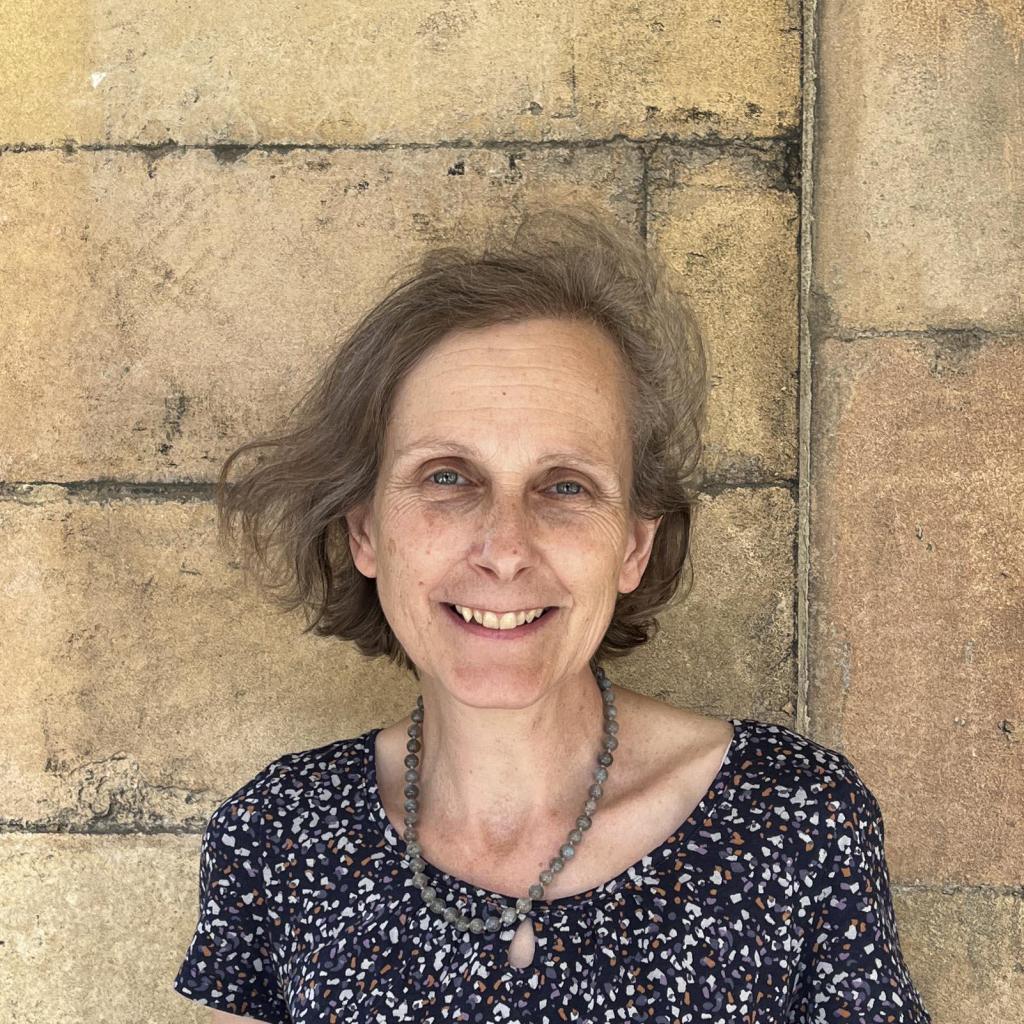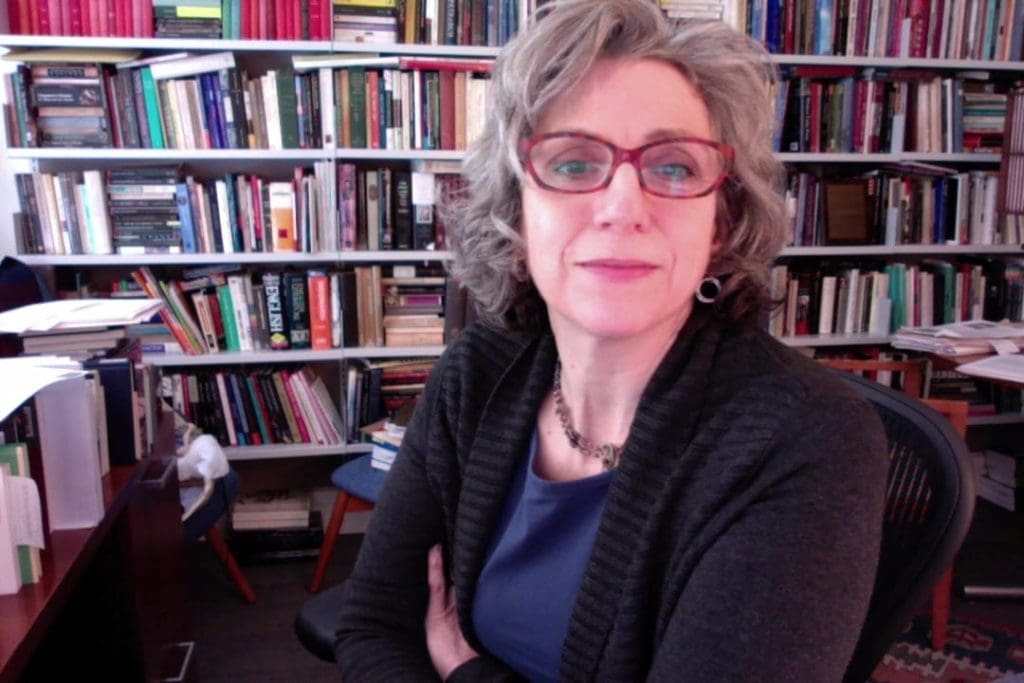
Sharon Achinstein is the Sir William Osler Professor of English at John Hopkins University.
In her research and teaching, Professor Achinstein has explored the intersection of literature and political communication in the early modern period, specifically focused on questions of toleration, religious dissent, and women’s participation. Her two monographs, Milton and the Revolutionary Reader (1994) and Literature and Dissent in Milton’s England (2003) and two edited collections, Milton and Toleration (2007) and Literature, Gender and the English Revolution (1994), placed works of literature in relation to the emerging public sphere and challenges to political and religious authority.
Her most recent research faces the history of marriage towards literature, law, politics, and theology, directions pursued in essays on Hugo Grotius and in her edition of Milton’s writings on divorce (Oxford University Press, 2026).
Suzanne Conklin Akbari is professor of Medieval Studies at the Institute for Advanced Study, Princeton. Her research has traced the evolving relationship between sight and knowledge as manifested in a range of poetic texts (Seeing Through the Veil), explored the relationship between Islam and Christianity (Idols in the East), challenged the notion of medieval European literature’s insularity (Marco Polo), and highlighted the influence of Arabic poetry, music, and philosophy (A Sea of Languages). Akbari is deeply interested in the relationship of the local and the global, especially as understood through the work of those who contribute to the field of Indigenous Studies, both academic scholars and traditional knowledge-keepers. Akbari is co-PI on “The Book and the Silk Roads,” now in its second phase under the title “Hidden Stories” (2023-2027), and co-editor of Textiles in Manuscripts: A Local and Global History of the Book. With Chris Piuma, she co-hosts a literature podcast called The Spouter-Inn.
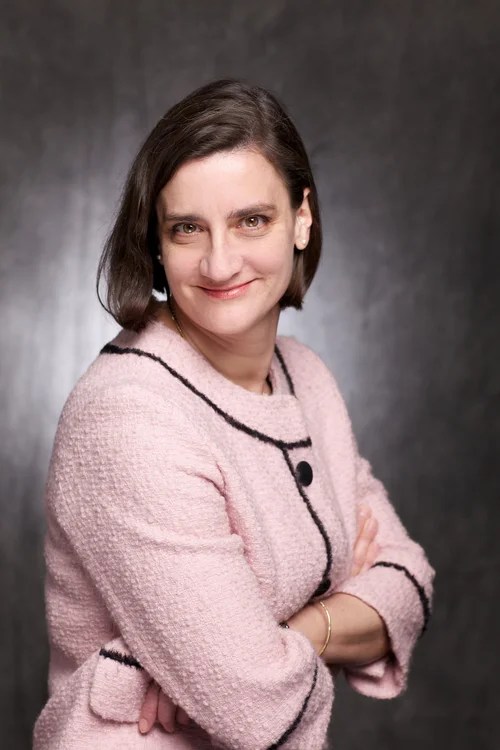
Adrienne Williams Boyarin is Professor of English and Humanities Associate Dean Research at the University of Victoria in British Columbia, Canada. She is the author of The Christian Jew and the Unmarked Jewess: The Polemics of Sameness in Medieval English Anti-Judaism (Penn, 2021), recently awarded the Medieval Academy of America’s Jerome E. Singerman Prize, and Miracles of the Virgin in Medieval England: Law and Jewishness in Marian Legends (D.S. Brewer, 2010). In addition, she is the founder and executive editor of the journal Early Middle English, and has published several teaching editions and translations, including Miracles of the Virgin in Middle English and The Siege of Jerusalem (both with Broadview Press). Her wider publications cover topics ranging from medieval Christian-Jewish relations and anti-Jewish polemics, to English women writers, Marian literature, women’s saints’ lives, the scholarship of teaching and learning, and manuscript studies. Her most recent article, which appears in Aschkenas, argues that the Jews of medieval England spoke English. Her current digital project is Medieval Anglo-Jewish Women, 1154–1307, an online resource that catalogues, networks, and publishes new biographies of, the many hundreds of Jewish women who lived and worked in medieval England.
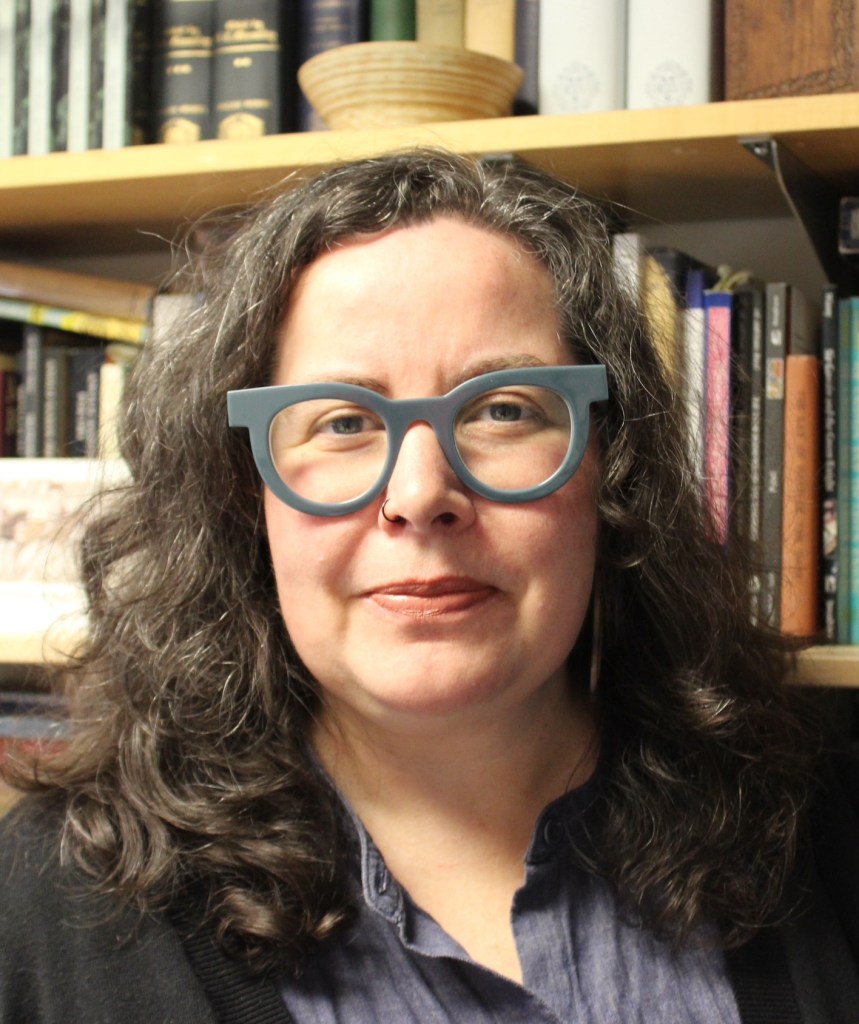
Alexandra Walsham is Professor of Modern History at the University of Cambridge (United Kingdom). Her research interests fall within the field of the religious and cultural history of early modern Britain and focus on the immediate impact and long-term repercussions of the Protestant and Catholic Reformations set within their wider European context. She has published extensively on a range of themes, including post-Reformation Roman Catholicism; religious tolerance and intolerance between 1500 and 1700 in Charitable Hatred: Tolerance and Intolerance in England 1500-1700 (Manchester UP, 2006); providence, miracles and the supernatural in post-Reformation society and culture in Providence in Early Modern England (Oxford University Press, 1999); the history of the book, the advent of printing, and the interconnections between oral, visual and written culture in The Uses of Script and Print 1300-1700 (Cambridge UP, 2004), ed. with Julia Crick; religion and the landscape in The Reformation of the Landscape: Religion, Identity and Memory in Early Modern Britain and Ireland (Oxford UP, 2011); and, in her most recent book, Generations: Age, Ancestry and Memory in the English Reformations (Oxford UP, 2023), she has investigated age, ancestry and the relationship between religious and generational change.